Home/The Number
Peak Hours™

The whole idea, in one number

Forget steps and sleep scores. There is a single measure that predicts how good your day will actually be — and almost no one is tracking it.

6Peak Hours

The number of hours a day your brain can operate at genuine peak capacity — fast, focused, clear — before fatigue and stress quietly take the rest. You were built for around six. Most people spend closer to one and a half.

Why this number

The hours that decide everything

Your hardest, highest-value work — the decisions, the creation, the judgement — doesn't draw evenly on your day. It draws on your peak hours. Everything important you do is done in them.

So the question isn't “how productive were you?” It's “how many peak hours did you actually have, and did you spend them on what mattered?” Peak Hours™ makes that measurable — and, once it's measured, improvable.
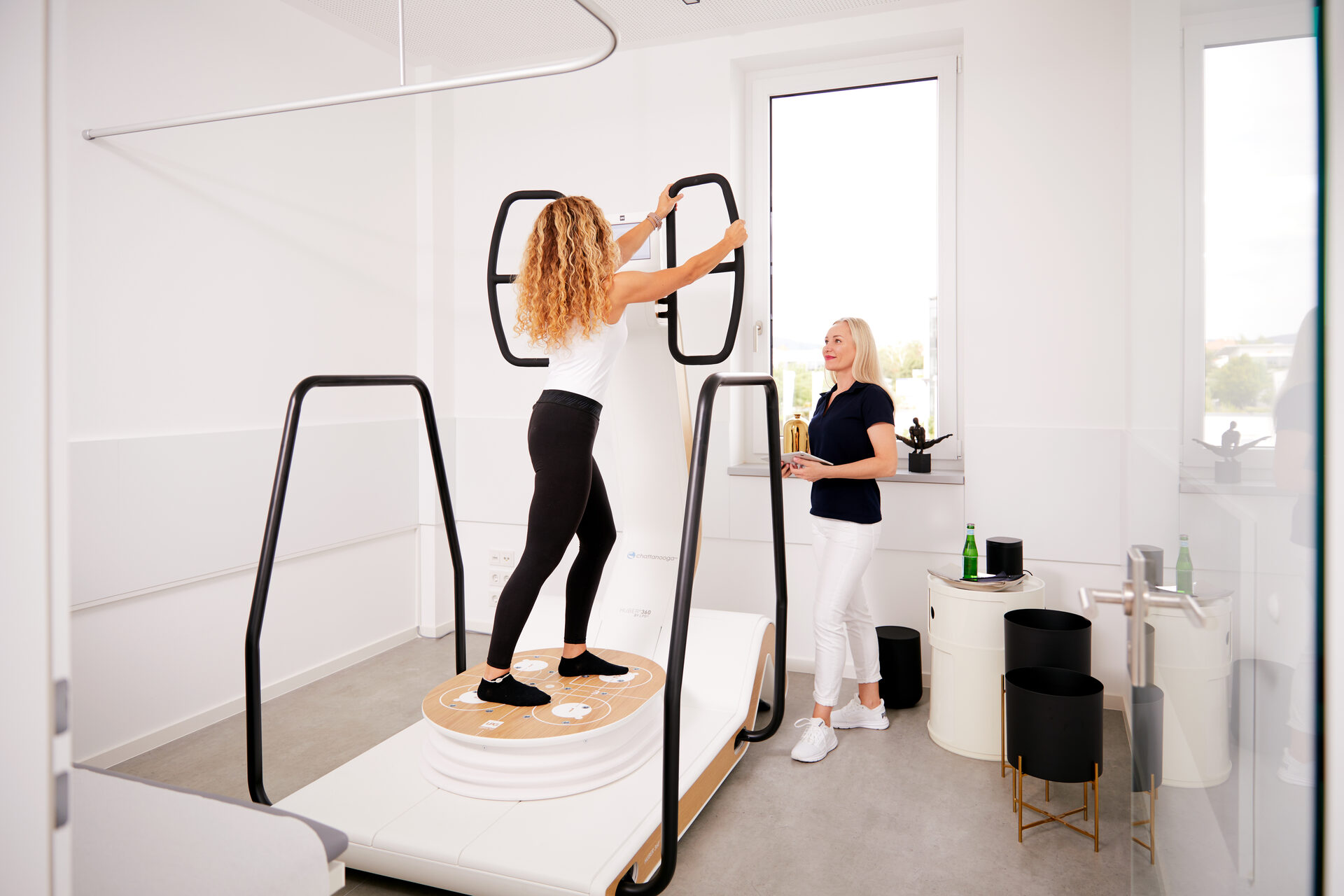
The B4lounge lab
R.E.O.B.

Four stages, one climb

Your Peak Hours™ score places you on the R.E.O.B. ladder. It isn't a grade — it's a starting point, and a direction.

Reset
< 3.0Focused intervention. The fastest gains live here — a reset of the weakest dimension.
Energize
3.0 – 3.9Sub-peak. A real base, but energy and recovery are leaking hours out of your day.
Optimize
4.0 – 4.9Strong base. Now it's precision — turning good hours into peak ones.
Boost
≥ 5.0Peak zone. The work becomes protection: sustaining your peakspan over years.
How it's measured

From a game to a diagnosis

Play

The Brainground games give an instant, illustrative indicator from a single cognitive moment — accuracy, speed, span.

Enter the Brainground

Scan

The 52-question B⁴ Scan blends all four dimensions at equal weight, normalised onto the Peak Hours™ scale, for a full-day read.

Take the Scan

Diagnose

Inside a programme, self-report gives way to qEEG, HRV and biomarker panels — the number, verified in the lab.

See the programmes
On the open tools. Peak Hours™ in the games and Scan is computed live from your selections — the four dimensions at equal 25% weighting, normalised onto the scale — for illustration and orientation. It is not a medical diagnosis. Norms are calibrated against clinical diagnostics inside a Peak Circle programme.
Ten minutes

What's your number?

Take the Scan and find out where your day really stands — and which dimension is quietly costing you the most.